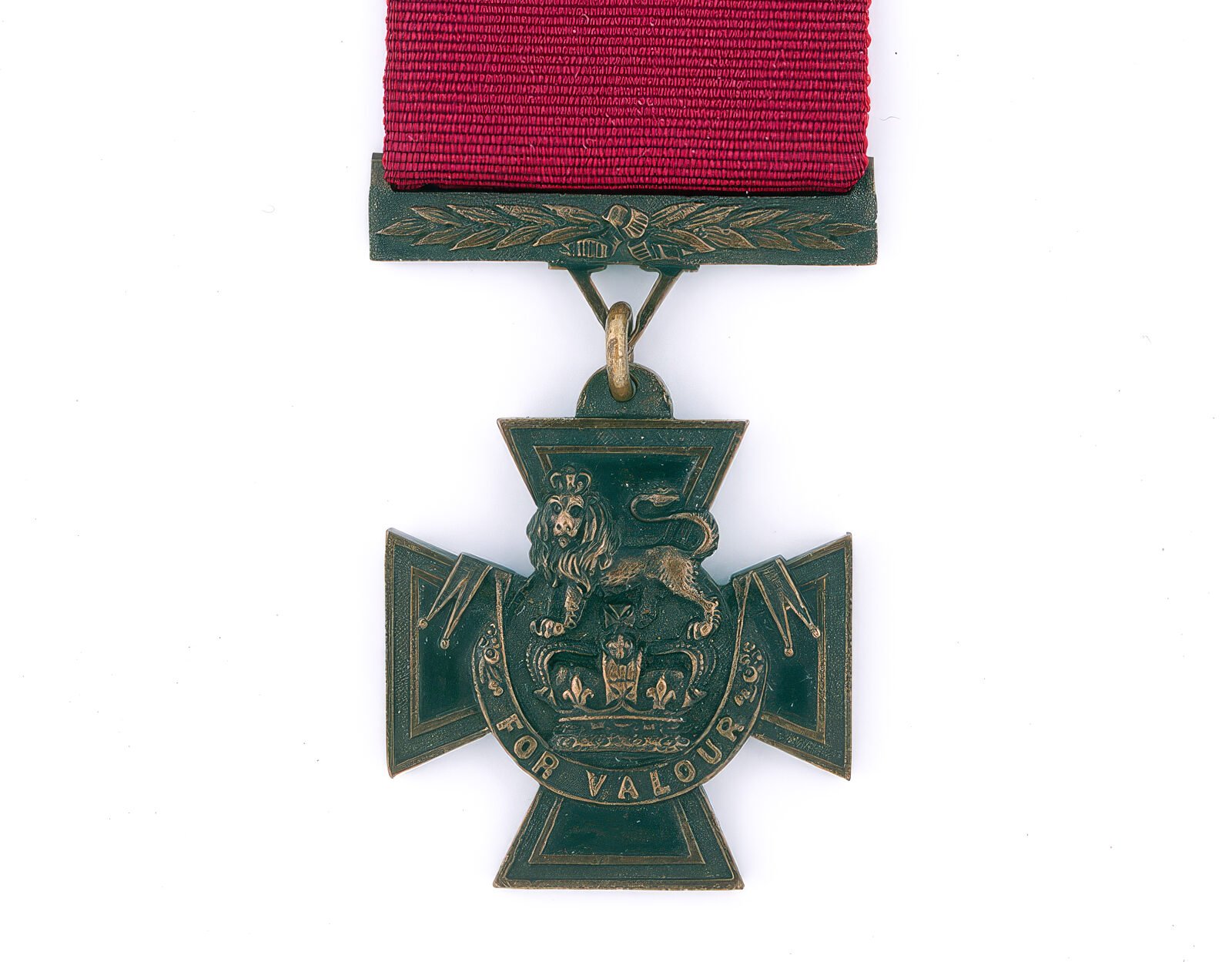
The Victoria Cross (VC) is the highest decoration of the United Kingdom honours system.
Victoria Cross
Highest Decoration
It is awarded for gallantry ‘in the face of the enemy’ to members of the British armed services. The VC can be awarded to civilians if they are “serving with the armed forces”. To date only five have been bestowed on civilians (four in the Indian Rebellion of 1857-8 and one in Afghanistan in 1879).
Before the VC, the highest award for gallantry was the Order of the Bath, but it could only be given to senior officers. To balance things out a bit, the Distinguished Conduct Medal was created in 1854 for NCOs and privates.
Suggestion for New Medal
Other countries had medals for gallantry regardless of rank. The idea that Britain should have one too came from Liberal MP and former naval officer, Captain Thomas Scobell in December 1854 and the Duke of Newcastle, the then Secretary of State for war who, in January 1855 announced the creation of a new medal for ‘a signal act of valour in the presence of the enemy’.
Queen Victoria’s Involvement
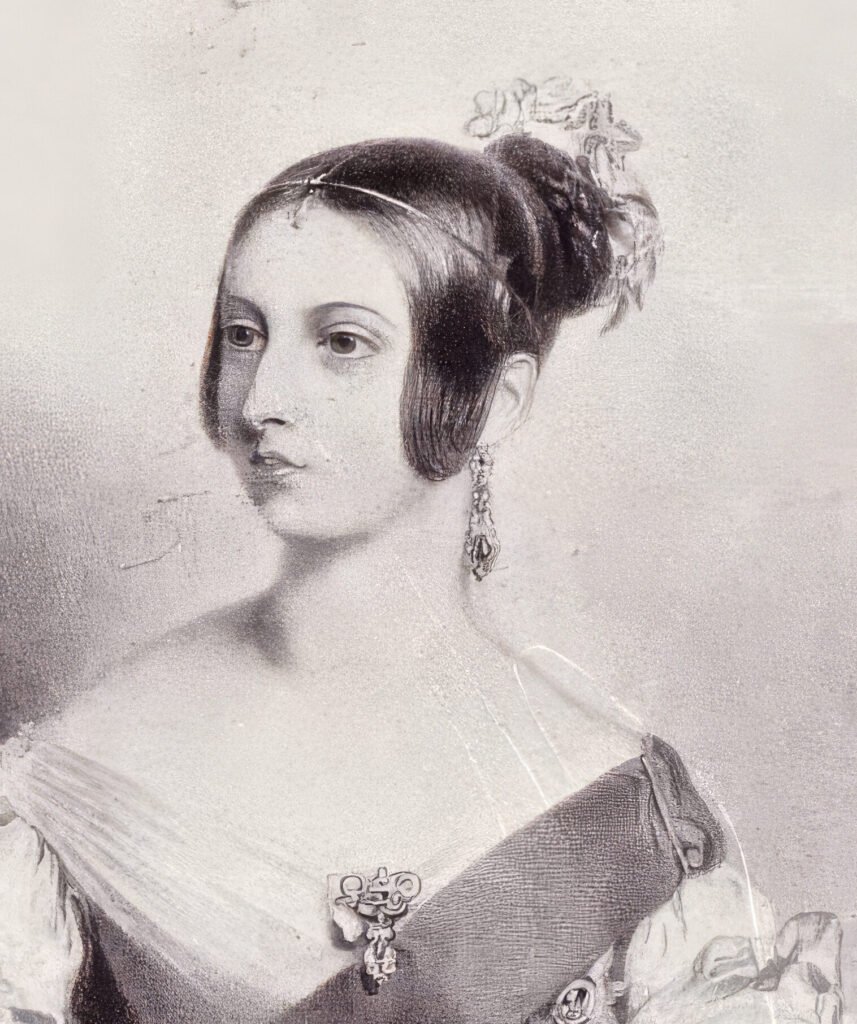
Both Queen Victoria and Prince Albert were actively involved in the decoration’s establishment. Indeed it was Prince Albert who changed the name of the medal from ‘The Military Order of Victoria’ to ‘The Victoria Cross’. The Queen took particular interest in the design of the medal and suggested reducing its size slightly from that shown in the original design. She also changed the slogan on the front of the medal. Originally it was ‘For the Brave’, but she felt that implied that anyone who was not awarded the VC was not brave. Consequently she changed it to ‘For Valour’. In addition, she changed the medal material from copper to bronze.